
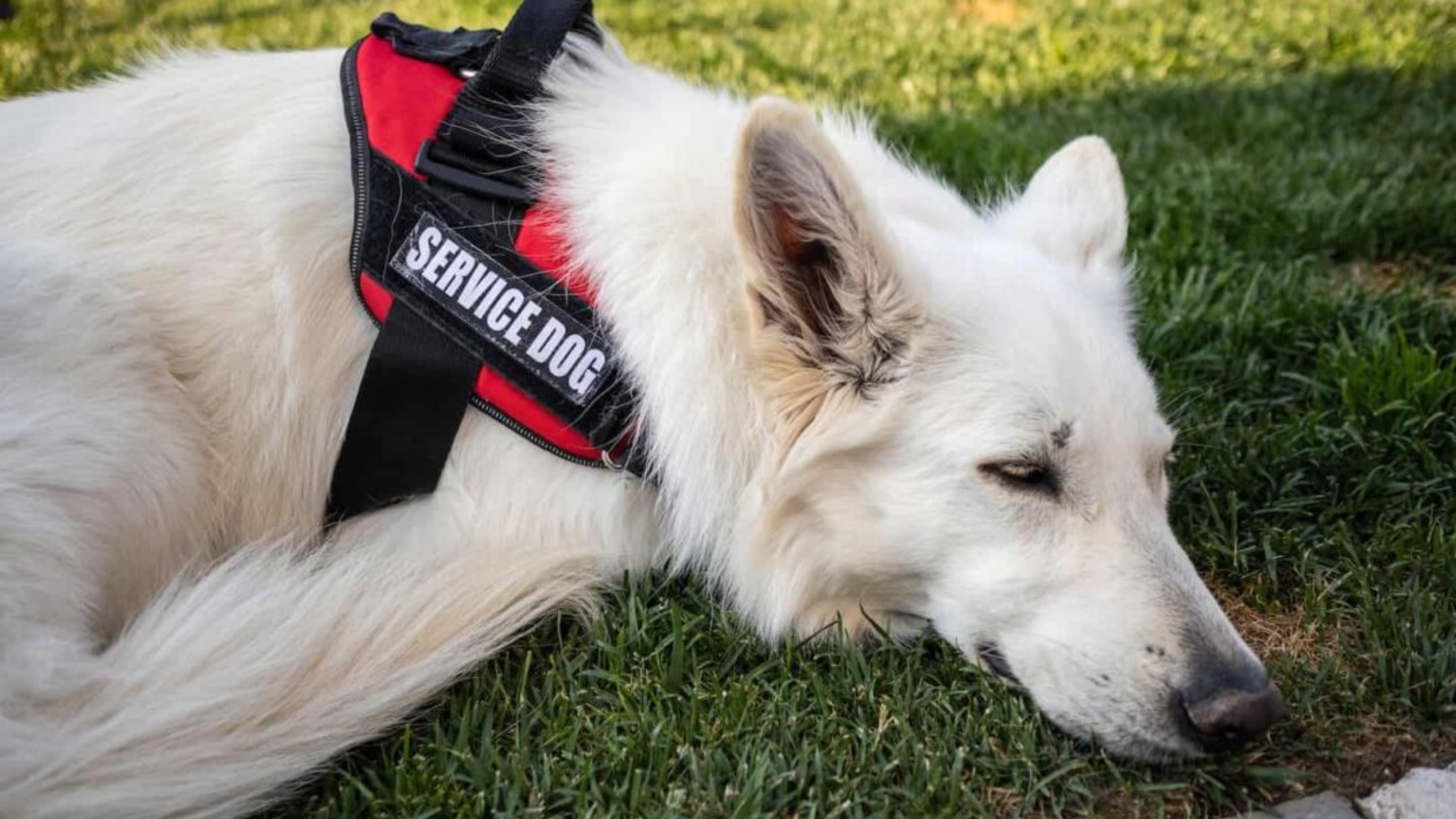

- Guide dogs help individuals who are blind or visually impaired navigate public spaces.
- Medical alert dogs who warn their owners of blood sugar changes or impending seizures.
- Psychiatric service dogs are trained to perform a concrete task—like interrupting a panic attack or guiding their handler to a safe place.


- It undermines public trust in legitimate service dogs and their handlers.
- It can create unsafe situations—reactive or untrained dogs can distract, stress, or even injure working dogs.
- It puts businesses, staff, and pet professionals like us in an awkward legal position.

So, why are so many people suddenly claiming their pet is a service dog?


- Celebrate your dog for what they are. You don’t need to call them a service dog to validate the support they give you.
- Get proper training. If you want to bring your dog into more public spaces, invest in a certified Canine Good Citizen (CGC) or therapy dog program. These teach manners, public behaviour, and obedience in a controlled way.
- Understand your rights. In Canada, only trained service dogs are protected under disability access laws. Emotional support animals have housing rights in some provinces—but that’s it.
- Respect real service dogs. When you see one in public, give them space. They’re working—and every distraction makes that job harder.

 ❤️ grâce à WordPress et
Comments are closed