
Your Emotional Support Dog Is Not a Service Dog
STOP TREATING THEM LIKE ONE
Written by Charlotte Smith | 7-minute read

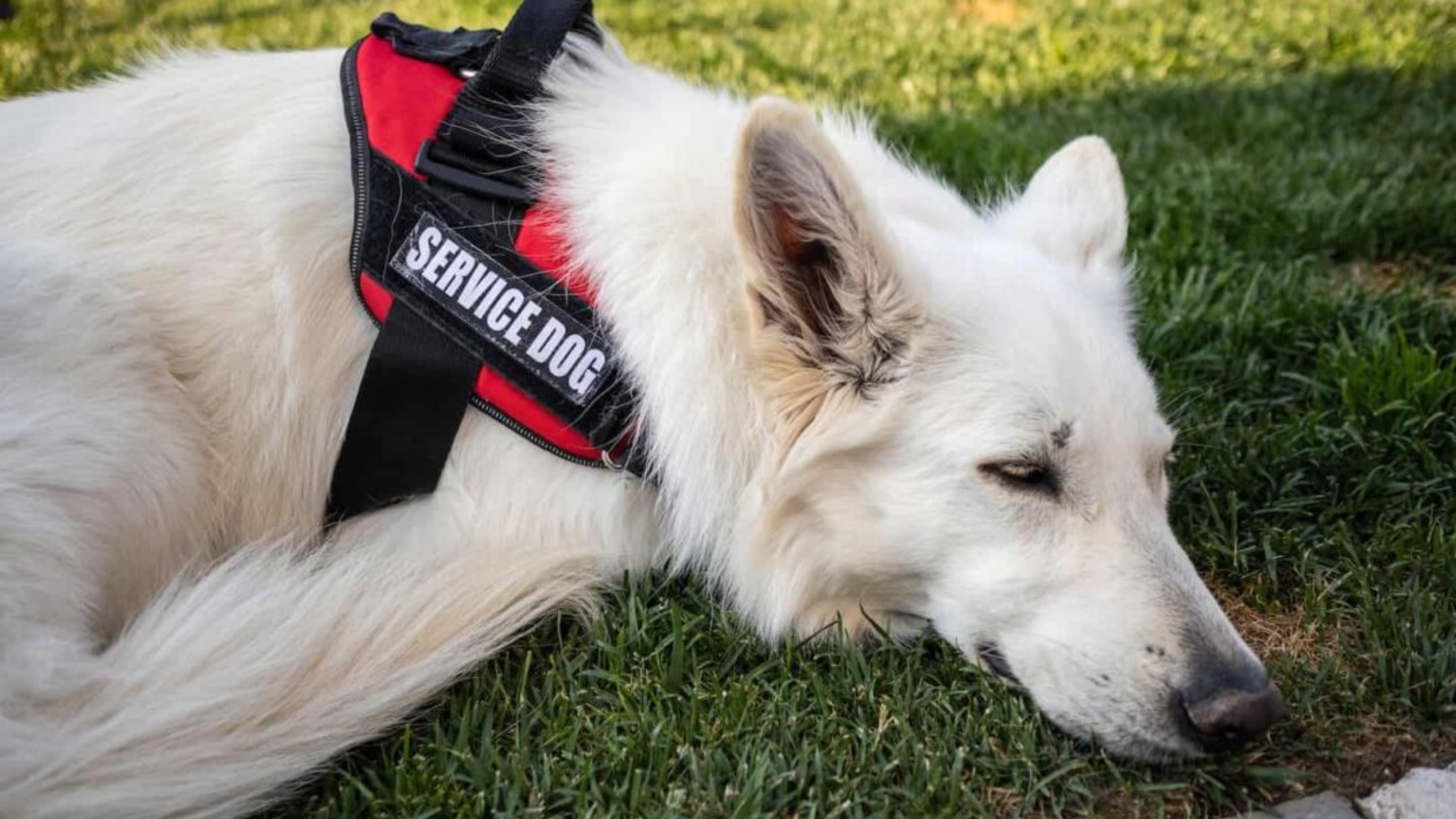
The title might be divisive, and I don’t want to alarm you, but I stand by it. That adorable little doodle or Cavapoo you just got and fitted with an Amazon-bought ‘service dog’ vest does not count as a service dog.
Mimi or Rover or Lulu or Spot, as cute and as sweet as she might be, isn’t a real service dog. You might happily walk her into the grocery store and sit her in the shopping cart while you peruse the aisles, or maybe you bring her into Walmart or the restaurant. But when the clerk or waiter asks you if they’re a service dog and you say yes, you are lying – even if you don’t realize it.
I sound a little harsh, and maybe I am. But as someone who works in the pet-care industry every day and sees this at LEAST once a week. Perhaps, yes, maybe I am a little jaded. So let’s talk about what kind of dog qualifies as a service dog.
What is a service dog?
There Service Dog Institute (TSDI) might help us shine a light on the right definition, saying that a service dog is an individually trained pup that is able to perform work or tasks to assist a person with a disability.
That’s the key phrase here: individually trained and task-oriented.
Service dogs aren’t just well-behaved pets – they don’t just sit on command and fetch your slippers. They’re working animals trained to perform specific tasks directly related to their handler’s disability. Some examples include:
- Guide dogs help individuals who are blind or visually impaired navigate public spaces.
- Allergen-detection dogs that alert to the presence of substances like peanuts or gluten.
- Psychiatric service dogs are trained to perform a concrete task—like interrupting a panic attack or guiding their handler to a safe place.
Each of these dogs goes through hundreds of hours of specialized training to do their job safely, reliably, and calmly—often in environments that would completely overwhelm a typical pet.
They can’t bark when they see another dog, they can’t get distracted, and they are a fundamental part of society and a huge help for those who need them to navigate the world. It is why they are awarded special legal rights and have the right of entry to every business and service, even when animals are typically not welcome; restaurants, bars, grocery stores, and more.

What Isn’t A Service Dog?
So little fluffy, who sits in your arms when you are feeling anxious, gives you sweet little kisses when you cry, and is reactive to other dogs as they pass by, is NOT a service dog.
He is an ESA and perhaps not a good one at that.
An emotional support animal (ESA) provides comfort simply by existing in your life. They bring companionship, help with loneliness, and can absolutely play an important role in supporting your mental health. But they’re not trained to perform a specific task, and that’s where the legal and ethical line is drawn.
An ESA might lick away tears, cuddle up when you’re upset, or give you motivation to get out of bed in the morning—and that’s beautiful! I want one myself! But they’re not trained to sense an anxiety attack coming or to provide a reliable intervention when it happens.
And importantly, emotional support animals do not have the same public access rights as service dogs. In Canada (and under the Americans with Disabilities Act in the U.S.), only trained service animals have the legal right to enter public spaces like grocery stores, restaurants, and shops.

Why It Matters
When people bring untrained pets into public spaces under the guise of being “service dogs,” it causes real harm:
- It undermines public trust in legitimate service dogs and their handlers.
You might have seen all the videos online of spotting fake service dogs, and if you haven’t, then I strongly recommend that you look them up! Oftentimes, they are made by service dog handlers who are exacerbated by the fact that their trained dogs are getting attacked or barked at unprovoked in stores that only welcome service pets – like Dr. Rhesa Houston on TikTok, a veterinarian who sees firsthand all the damage these interactions can impart and Kat Johnson, who has Hazel, her service dog.
It has become one of the few ways to try and combat the epidemic of fake service dogs by naming and shaming them. After all, most of them, when approached, hide under the guise that their ESA is a service dog ,and it is therefore illegal to ask for proof. A law that was put into place to protect the real hard-working animals who provide genuine services.
In short: pretending your pet is a service dog doesn’t just bend the rules—it hurts the people (and dogs) who genuinely need those protections.

Why Owners Blur the Line
Let’s be honest—most of the time, it isn’t coming from malice. It’s coming from love (and maybe a touch of misunderstanding). You adore your dog. You feel calmer when they’re around. They make life easier to navigate. So when you see those official-looking vests online for $29.99, it’s tempting to click “Add to Cart.”
But here’s the problem: that vest doesn’t magically turn your pet into a trained working animal.
Many owners genuinely believe an emotional support animal automatically qualifies as a service dog, but that’s simply not true—especially in Canada. Emotional support animals don’t have public access rights under the law. That means they can’t legally enter stores, restaurants, or public transportation just because they provide comfort.

Part of the confusion comes from social media. Platforms are full of well-meaning pet parents showing their “support dogs” doing adorable things in public. But without context, it sends the wrong message: that any well-behaved dog can be a service dog.
It’s also worth mentioning that fake service dogs have become a growing issue in North America. According to a 2023 study published in the Journal of Disability Policy Studies, the misuse of service dog identification leads to discrimination against legitimate handlers, creates public tension, and even results in dogs being banned from places they should be allowed.
So even if it’s unintentional, blurring the line between your emotional support dog and a real service dog can cause harm that ripples far beyond a single shopping trip.
How to Be a Responsible Pet Owner Instead

If your dog helps you emotionally—that’s amazing. They’re doing what dogs do best: offering unconditional love and comfort. But if you truly want to honour your bond and respect those who rely on trained service dogs, here’s what to do instead:
- Celebrate your dog for what they are. You don’t need to call them a service dog to validate the support they give you.
- Get proper training. If you want to bring your dog into more public spaces, invest in a certified Canine Good Citizen (CGC) or therapy dog program. These teach manners, public behaviour, and obedience in a controlled way.
- Understand your rights. In Canada, only trained service dogs are protected under disability access laws. Emotional support animals have housing rights in some provinces—but that’s it.
- Advocate, don’t imitate. Use your voice to support better education about service dogs and accessibility. Share accurate resources instead of spreading confusion.
- Respect real service dogs. When you see one in public, give them space. They’re working—and every distraction makes that job harder.
At the end of the day, calling your emotional support animal a “service dog” doesn’t make your bond stronger—it disrespects the people and pups doing life-changing work every day.
Your dog doesn’t need a fake vest or a title to be your best friend.

 using WordPress and
Comments are closed